
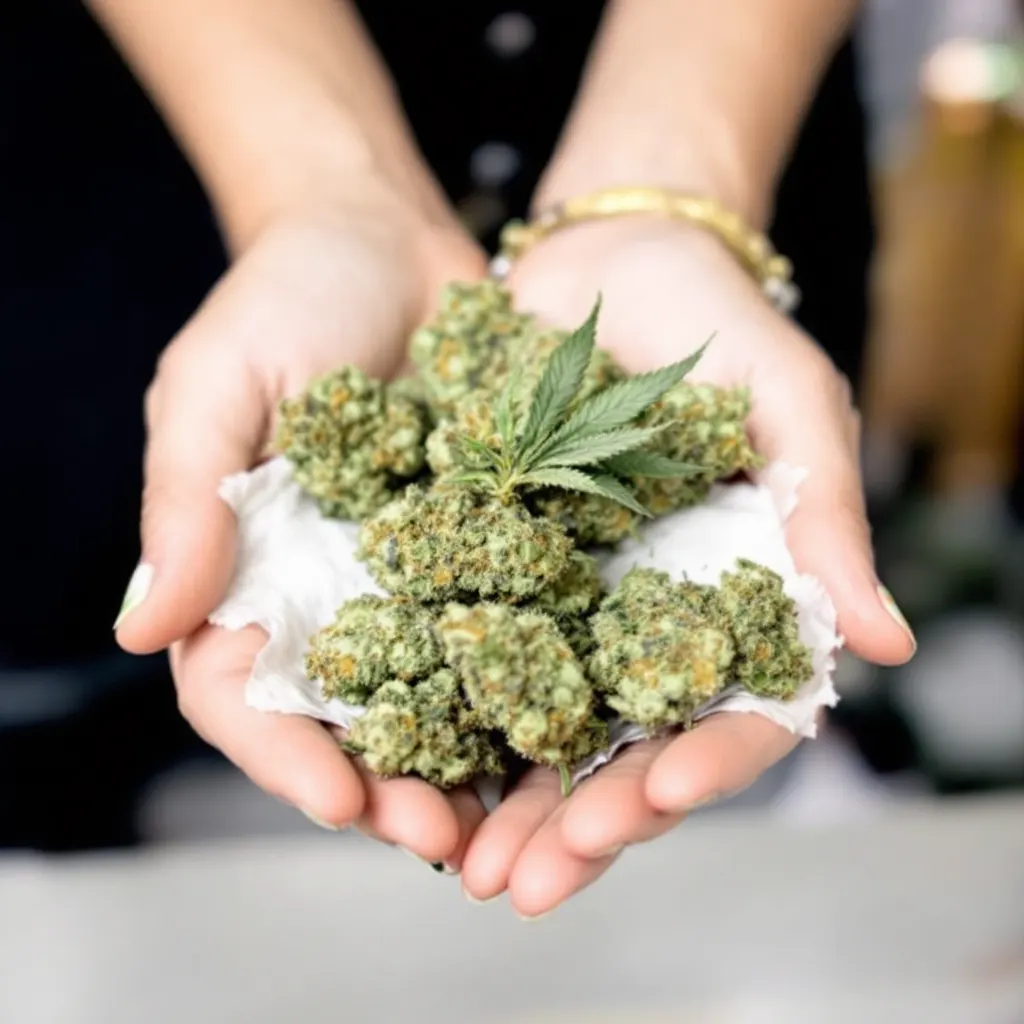
Walking into a Brooklyn dispensary can feel overwhelming with all the options available. From different strains to various consumption methods, the choices might leave you confused about where to start. This is where a budtender becomes your trusted guide in the world of cannabis, helping you navigate through products that best suit your needs and preferences.
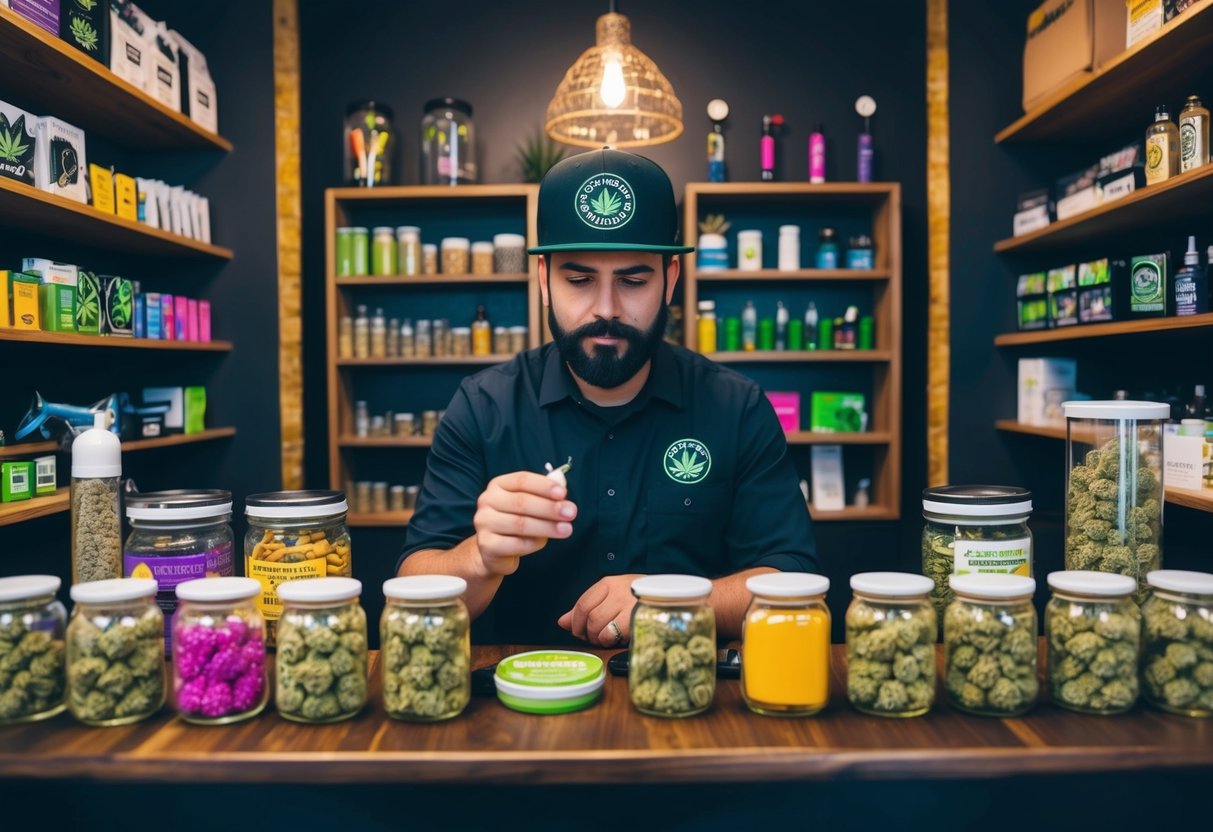
A knowledgeable budtender can provide personalized recommendations based on your experience level, desired effects, and consumption preferences. They can explain the differences between indica, sativa, and hybrid strains, break down THC and CBD content, and suggest appropriate dosages for beginners. Many Brooklyn budtenders are passionate about cannabis and stay updated on the latest products and research to better serve their customers.
Beyond product knowledge, budtenders can also offer practical advice on consumption methods from traditional smoking to edibles, tinctures, and topicals. They understand that each person’s experience with cannabis is unique and work to create a judgment-free zone where you can ask questions without feeling intimidated.
Key Takeaways
- Budtenders serve as knowledgeable guides who can help match products to your specific needs and experience level.
- Quality budtenders can explain differences between products, consumption methods, and expected effects to enhance your cannabis experience.
- Asking specific questions about strains, potency, and usage helps budtenders provide more personalized recommendations for your unique situation.
Understanding Cannabis Basics
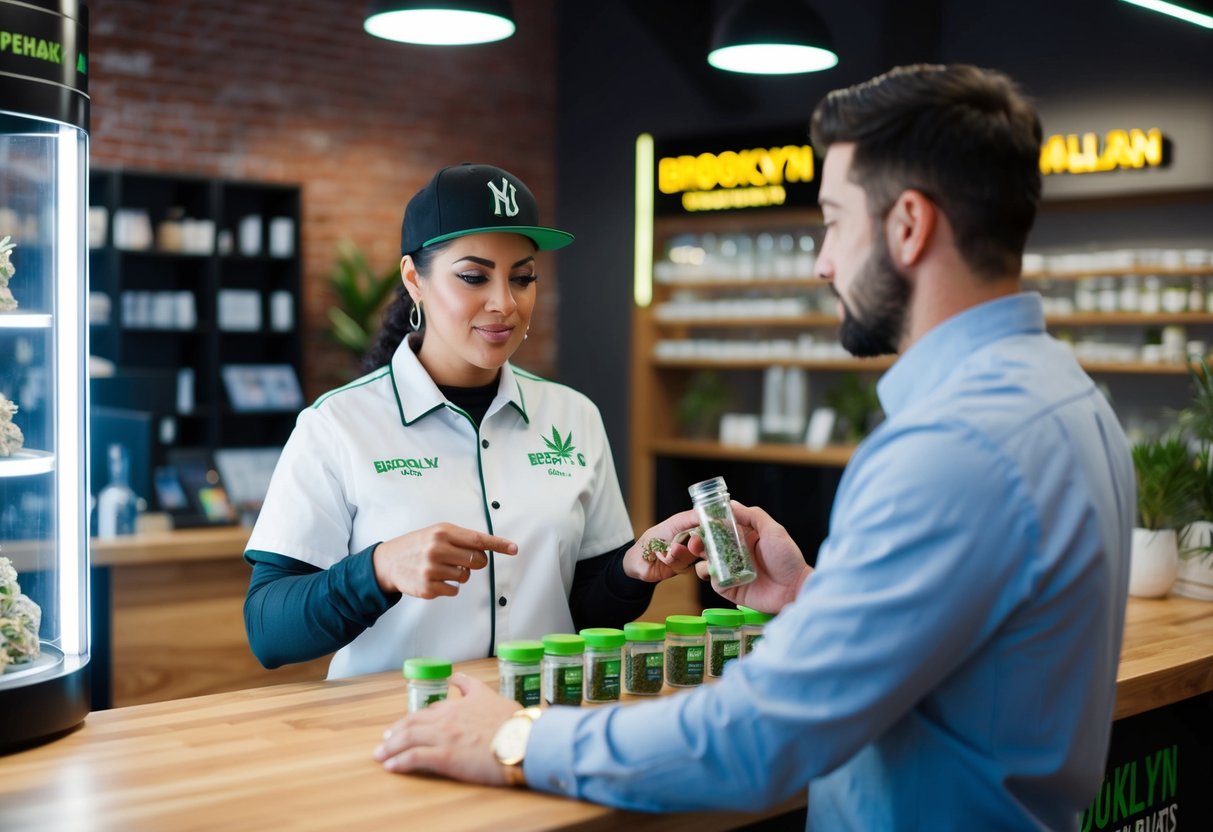
Cannabis has multiple components that affect how it works in the body. These elements include different strain types, aromatic compounds called terpenes, and active ingredients like THC and CBD that produce various effects.
Different Strains: Indica, Sativa, and Hybrid
Cannabis comes in three main types: indica, sativa, and hybrid strains. Each offers different experiences for users.
Indica strains typically provide relaxing, body-focused effects. They’re often recommended for evening use, pain relief, or help with sleep problems. Many users describe indica effects as a “body high” that can help with physical discomfort.
Sativa strains usually create energizing, cerebral effects. They’re popular for daytime use, creativity, and social activities. These strains might help with focus and mood elevation without making you sleepy.
Hybrid strains combine characteristics from both indica and sativa plants. They offer balanced effects that can be tailored to specific needs. Some hybrids lean more toward indica effects, while others are more sativa-dominant.
Terpenes and Flavors
Terpenes are aromatic compounds that give cannabis its distinctive smell and taste. They also contribute to the plant’s effects.
Myrcene, the most common cannabis terpene, has an earthy, musky aroma. It’s believed to promote relaxation and enhance the potency of THC. Strains high in myrcene often create more sedative effects.
Limonene offers a citrusy smell and may help elevate mood. It’s found in many uplifting cannabis varieties and might help with stress reduction.
Other important terpenes include pinene (pine scent), linalool (lavender scent), and caryophyllene (peppery aroma). Each brings unique properties that shape the cannabis experience.
Cannabinoids: THC and CBD
Cannabinoids are chemical compounds that interact with the body’s endocannabinoid system. THC and CBD are the most well-known.
THC (tetrahydrocannabinol) is the main psychoactive component in cannabis. It creates the “high” feeling and may help with pain, nausea, and appetite stimulation. THC content varies widely between products, from very low to over 30% in some flower.
CBD (cannabidiol) doesn’t cause intoxication but offers potential therapeutic benefits. It may help with anxiety, inflammation, and seizures. Many users choose CBD products to get relief without feeling high.
The ratio of THC to CBD greatly influences effects. High-THC products create stronger psychoactive effects, while balanced or high-CBD options tend to be more subtle and therapeutic in nature.
The Role of a Budtender
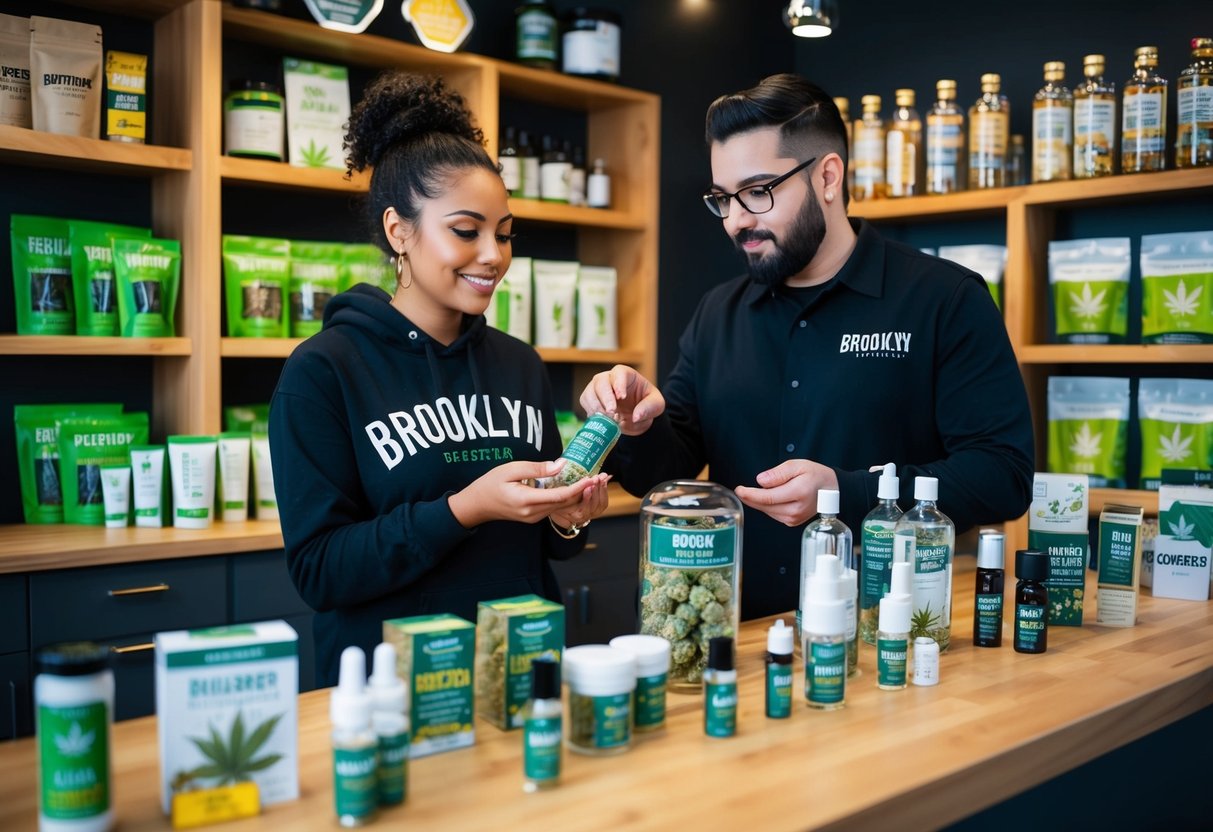
Budtenders serve as the friendly face of cannabis dispensaries, acting as guides through the often complex world of marijuana products. They combine product expertise with customer service skills while maintaining strict adherence to legal regulations.
Product Knowledge and Recommendations
Budtenders are cannabis experts who understand different strains, consumption methods, and product types. They stay informed about new items, current trends, and the specific effects of various products on the market.
A good budtender can explain the difference between indica, sativa, and hybrid strains in simple terms. They know about THC and CBD percentages and what they mean for the consumer’s experience.
When making recommendations, budtenders consider the customer’s experience level, desired effects, and medical needs. They ask thoughtful questions to match people with products that will work best for their situation.
Many budtenders try products themselves to better understand what they’re selling. This firsthand knowledge helps them provide authentic advice beyond what’s written on packaging.
Navigating Customer Interactions
Budtenders create a welcoming environment for all customers, from cannabis veterans to first-time users. They speak clearly without using too much technical jargon that might confuse newcomers.
They listen carefully to understand each customer’s unique needs and preferences. This personalized approach helps build trust and ensures customers leave with appropriate products.
Patience is a key skill for budtenders, especially when explaining complex concepts to beginners. They answer questions without judgment and offer education about responsible consumption.
Budtenders also recognize that cannabis affects everyone differently. They avoid making promises about specific effects and instead focus on general trends and probable outcomes.
Ensuring Compliance and Safety
Budtenders must strictly follow state and local cannabis regulations. This includes checking IDs, maintaining proper sales records, and staying within legal purchase limits.
They provide safety information about responsible consumption and potential side effects. This might include advice about starting with low doses or avoiding driving after use.
Budtenders also educate customers about proper storage to keep products away from children and pets. They may offer guidance about child-resistant packaging and safe disposal methods.
For medical cannabis patients, budtenders need to understand how marijuana might interact with medications while being careful not to give actual medical advice. They often suggest consulting healthcare providers for serious medical questions.
Exploring Cannabis Products
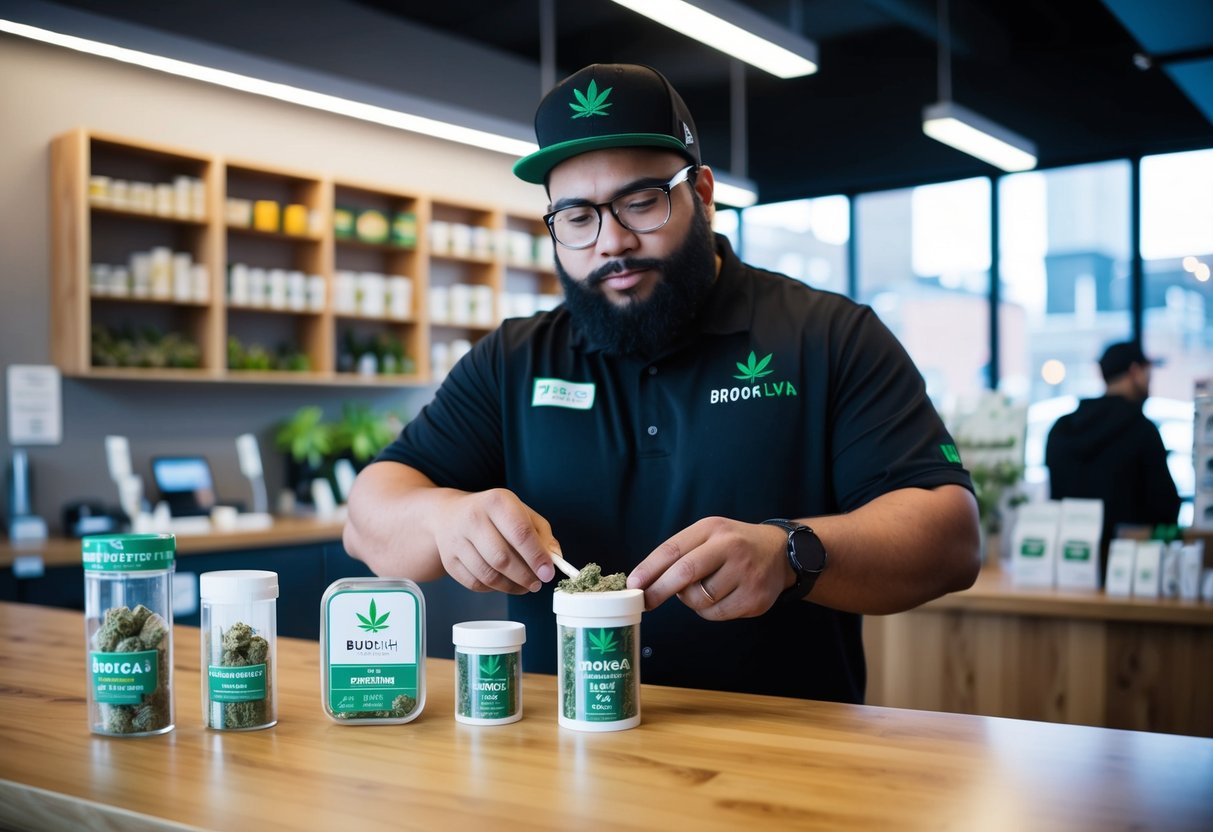
The cannabis market offers a diverse range of products that cater to different preferences and needs. From traditional flowers to innovative concentrates and convenient edibles, there’s something for everyone regardless of experience level.
Flowers, Concentrates, and Edibles
Flowers remain the most popular cannabis product. They come in various strains with different THC and CBD levels. When choosing flower, look for vibrant colors, visible trichomes, and a fresh aroma – these are signs of quality.
Concentrates pack more punch in smaller amounts. Types include:
- Wax
- Shatter
- Live resin
- Rosin
These products undergo extraction processes that concentrate cannabinoids. They’re potent, so new users should start with tiny amounts.
Edibles offer a smoke-free option and include gummies, chocolates, and baked goods. Effects take longer to kick in (30-90 minutes) but last longer.
Brooklyn dispensaries often carry locally-made edibles. Smart consumers always check dosage information and start with 5mg THC or less.
Tinctures, Topicals, and Capsules
Tinctures are liquid extracts placed under the tongue for quick absorption. They offer precise dosing and discreet consumption. Most come with droppers marked for easy measurement.
Topicals include creams, balms, and lotions infused with cannabis. They work directly on the area applied without causing intoxication, making them popular for localized relief.
Popular uses for topicals:
- Joint discomfort
- Muscle tension
- Skin conditions
Capsules provide convenient, pre-measured doses similar to traditional supplements. They’re ideal for consistent daily use and precise dosing.
When visiting Brooklyn dispensaries, don’t hesitate to ask budtenders about specific products. They can recommend options based on desired effects, tolerance levels, and consumption preferences.
Cannabis Consumption Methods
Understanding the various ways to use cannabis can help you find what works best for your needs. Each method offers different onset times, duration of effects, and intensity levels.
Smoking, Vaping, and Dabbing
Smoking remains the most traditional way to consume cannabis. Rolling papers, pipes, and bongs are common tools for this method. The effects typically kick in within minutes and last 2-3 hours.
Vaping heats cannabis flower or oil without combustion, producing vapor instead of smoke. Many users prefer vaping because it’s less harsh on the lungs and produces less odor than smoking.
Dabbing involves flash-vaporizing cannabis concentrates on a heated surface and inhaling the vapor. This method delivers potent effects almost instantly. Concentrates used for dabbing include wax, shatter, and live resin.
For beginners, smoking or vaping flower might be best. More experienced users often enjoy the potency and flavor profiles of concentrates.
Ingestibles and Sublinguals
Edibles include cannabis-infused foods, drinks, capsules, and gummies. Effects take 30-90 minutes to appear but can last 4-8 hours. Start with a low dose (5mg THC or less) and wait before consuming more.
Tinctures are liquid extracts placed under the tongue for faster absorption. Effects begin in 15-45 minutes and typically last 2-4 hours. They offer precise dosing with the included dropper.
Sublingual strips dissolve under your tongue for quick absorption into the bloodstream. These provide discreet consumption with relatively rapid effects.
Remember that your metabolism, body weight, and tolerance affect how edibles and tinctures work for you. Always start low and go slow with these consumption methods.
Topical and Transdermal Applications
Topicals are cannabis-infused products applied directly to the skin. Lotions, balms, and creams target specific areas for localized relief without psychoactive effects. They’re perfect for addressing muscle soreness or skin conditions.
Transdermal patches deliver cannabinoids through the skin and into the bloodstream. Unlike topicals, they can produce psychoactive effects and provide steady, long-lasting relief for 6-12 hours.
Bath bombs and soaks infused with cannabis offer full-body relaxation through absorption during bathing. These products provide a luxurious way to experience the benefits of cannabis.
Topical methods are excellent for those seeking relief without the high. They’re also great for discreet cannabis consumption in situations where smoking or vaping isn’t appropriate.
Determining Quality and Potency
Knowing how to evaluate cannabis products and understand your personal dosage needs are essential skills for any consumer. These factors directly impact your experience and help ensure you get the value and effects you’re looking for.
Evaluating Cannabis Products
Good quality cannabis has distinct visual and sensory characteristics. When examining flower, look for vibrant colors, visible trichomes (tiny crystal-like structures), and proper trim work.
The aroma should be strong and distinctive. High-quality cannabis has a complex terpene profile that gives it a rich smell. If it lacks scent, it might be old or poorly stored.
Properly cured cannabis should feel slightly sticky, not too dry or too moist. Avoid products with visible mold or an ammonia smell.
Consider asking your budtender about testing results. Quality products have lab reports showing cannabinoid content (THC, CBD) and confirming they’re free from pesticides and contaminants.
Many dispensaries grade their products as “top-shelf” or “premium” versus standard options. This rating system can help guide your selection if you’re unsure.
Understanding Dosage and Tolerance
Start low, go slow. This golden rule applies especially to new consumers or when trying different products. For edibles, 5mg of THC is a good starting point.
Individual tolerance varies based on:
- Body chemistry
- Experience level
- Metabolism
- Product type
Concentrates like wax, shatter, and oils have much higher potency than flower. A tiny amount can have strong effects, so proper dosing tools are important.
The entourage effect suggests cannabinoids work together with terpenes to create unique experiences. This means THC percentage isn’t the only factor in potency.
Track your consumption in a journal to find your ideal dosage. Note the product, amount, and effects to better understand what works for your needs.
Remember that tolerance can build over time with regular use, which might require adjusting your dosage or taking a tolerance break.
Health Benefits and Medical Marijuana
Medical marijuana offers several potential health benefits for people with various conditions. While research is still evolving, many patients find relief through cannabis when traditional treatments fall short.
Therapeutic Uses and Pain Management
Medical marijuana has shown promise for managing chronic pain. Many patients report significant relief when using cannabis products, especially those containing both THC and CBD. These compounds work together to reduce inflammation and alter pain perception.
For people dealing with conditions like fibromyalgia, arthritis, or neuropathy, cannabis may offer an alternative to opioids and other medications that carry serious risks.
Cancer patients sometimes use cannabis to manage treatment side effects. It can help reduce nausea and vomiting from chemotherapy and may stimulate appetite in those struggling with weight loss.
Sleep disorders also respond well to certain cannabis varieties. Products with higher levels of indica strains or specific terpenes can promote relaxation and better sleep quality.
Navigating Conditions and Desired Effects
When considering medical marijuana, matching the right product to your specific condition is crucial. Different cannabinoid profiles work better for different symptoms.
For anxiety, products higher in CBD with minimal THC often work best. The calming effects of CBD can ease anxiety without the potential paranoia sometimes associated with high-THC products.
Patients with PTSD, depression, and mood disorders might benefit from balanced THC
It’s worth noting that while budtenders can offer guidance based on customer feedback, they lack medical training. For serious conditions, consulting with a healthcare provider who understands cannabis medicine is always recommended.
Finding the right dose matters too. Starting low and going slow helps identify the minimum effective amount for your needs.
Navigating the Dispensary Experience
Walking into a Brooklyn dispensary can feel overwhelming at first. Knowing local rules and how to pick the right products makes all the difference for a smooth visit.
Local Regulations and Compliance
Brooklyn dispensaries operate under New York’s cannabis laws. These regulations shape what you can buy and how you can consume your products.
Cannabis consumption is only allowed in private residences in New York. Public use is against the law, so plan to enjoy your purchase at home.
All legal dispensaries require ID verification. Bring a valid government-issued ID showing you’re 21+ before you can enter or purchase anything.
Purchase limits exist for all customers. These limits help prevent diversion to the illegal market and ensure fair access for all consumers.
Choosing the Right Products
Brooklyn dispensaries offer diverse cannabis products. From flower to edibles, the selection can suit any preference or need.
Don’t be shy about asking questions. Budtenders are there to help and can recommend products based on your experience level and desired effects.
Consider starting with lower-THC options if you’re new to cannabis. This approach helps prevent uncomfortable experiences while you learn how your body responds.
Think about your consumption preferences. Do you prefer smoking, vaping, or edibles? Each method provides different onset times and effect durations.
Looking for specific effects? Ask about terpene profiles. These compounds influence whether a product will be energizing, relaxing, or somewhere in between.
